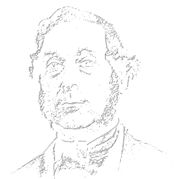
by John Beauchamp Jones
SEPTEMBER 10TH. —A Mr. J. C. Jones has addressed a letter to the President asking permission to run the blockade to confer with Mr. Bates, of President Lincoln’s cabinet, on terms of peace, with, I believe, authority to assure him that none of the Northwestern States, or any other free States, will be admitted into the Confederacy. Mr. J. says he has been on intimate terms with Mr. B., and has conceived the idea that the United States would cease the war, and acknowledge the independence of the South, if it were not for the apprehension of the Northwestern States seceding from the Union. If his request be not granted, he intends to enter the army immediately. He is a refugee from Missouri. He assures the President he is his friend, and that a “concentration of power” in his hands is essential, etc. The President refers this paper, with a gracious indorsement, to the Secretary of War, recommending him either to see Mr. Jones, or else to institute inquiries, etc.
S. Wyatt, Augusta, Ga., writes in favor of appeals to the patriotism of the people to counteract what Mr. Toombs has done. What has he done? But he advises the President, to whom he professes to be very friendly, to order a discontinuance of seizures, etc.
A. Cohen (Jew name), purser of the blockade-running steamer “Arabia” at Wilmington, has submitted a notable scheme to Gen. Winder, who submits it to the Secretary of War, establishing a police agency at Nassau. Gen. W. to send some of his detectives thither to examine persons coming into the Confederate States, and if found “all right,” to give them passports. It was only yesterday that a letter was received from Gen. Whiting, asking authority to send out a secret agent on the “Arabia,” to see what disposition would be made of her cargo, having strong suspicions of the loyalty of the owners and officers of that vessel. [click to continue…]


