Before Vicksburg, Saturday, June 6. But little firing during the day. While watering horses I rode about two miles into the country, filled my haversack with ripe, juicy plums. Thought I’d like to take them home to Mary and have a shortcake.. But no—wait awhile. I’ll take them to camp and make some for supper, in hopes for something nicer in the future.
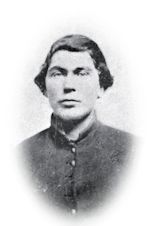
An Artilleryman’s Diary–Jenkin Lloyd Jones, 6th Battery, Wisconsin Artillery.
Before Vicksburg, Friday, June 5. Fine day. Not very warm. Ordered to fire once every five minutes during the day. Went with the gun-limber to the magazine at noon. Fired twenty rounds in the evening. Occasional firing all night. .
Before Vicksburg, Thursday, June 4. But little fighting done to-day with the exception of sharp-shooting. Sultry and heavy. Battery drew clothing. I got a rubber poncho.
Before Vicksburg, Wednesday, June 3. Nothing of importance until about 3 P. M. when the enemy opened with artillery all along the line, which soon brought the cannoneers to their post, and rapid firing of twenty minutes convinced them that they had better quit. The shells flew very thick for a few minutes. One 24-pounder dropped into the second piece’s bastion, taking out the eye of Fred Baker, the first man wounded by rebs. Received mail.
Before Vicksburg, Tuesday, June 2. Fired at intervals all day. At night fired thirty minutes without ceasing. Caisson limber after ammunition in the evening. Up till midnight helping on the bastion. The heat very oppressive.
Before Vicksburg, Monday, June 1. Cannoneers up nearly all night. Advanced our pieces eight yards to the front so as to get better range. Went to water horses, stopped in camp to feed hay in the forenoon and afternoon. At dusk started out with both limbers after ammunition. Went about two miles to Quinby’s headquarters. Filled them from magazines and returned by 10 P. M.
Before Vicksburg, Sunday, May 31. Awoke by the side of my team when the sun was high. Went up the hill to see the pieces, but was timely warned by a “whist” by my ear to keep low, as we were within 300 yards of the enemy’s fort, and at the first indication of a man’s head a leaden messenger was sent to him, and safety only existed in keeping out of sight by lying low. Nelson brought our breakfast from camp. Unharnessed our horses and went to water back to our old watering place, exposed to the fire of the sharp-shooters. One of our horses was struck in the neck.
Very warm. Built a shade and lay down to sweat and sleep. At 3 P. M. the rebs opened a fire with a piece of artillery which was returned by a dozen. One of the 10th Iowa killed in rifle pit by our piece.
Before Vicksburg, Saturday, May 30. Warm and dull. Nothing to do and nothing to read so lay down and slept most of the day. Awake at 10 o’clock at night with orders to hitch up, and at quarter to eleven o’clock the pieces and limbers started to the left and front, down through the valley, past sutler shops and baggage wagons, then up a steep bluff, where it required five teams to haul the pieces up; then passed through the advance line of artillery and through a passage dug in the hill, hiding us from view for about six rods, then down into an abrupt ravine. The cannoneers obliged to hold back with prolongs to keep it [the piece] from running down unmanageable.
We were soon at the bottom of the ravine. On the top of the hill the pieces were to be planted. It was 3 A. M. when the artillery on each side and behind us opened a hot cannonading over our heads, grazing the top of the hill so close that we dared not go in position, and we lay at the bottom while they whistled and screeched over our heads. The fiery track of the fuze-shell could easily be tracked through the dark, and the roar of pieces as they echoed was deafening for half an hour, when we put our pieces in position, took the limber under the hill and unhitched.
Before Vicksburg, Friday, May 29. The day was opened with a general cannonading all along the line for thirty minutes, with as much rapidity as possible. It was a sublime and terrible scene, the powder smoke gathering in a dark heavy cloud overhead, with the shells exploding with a continual flash over their forts, and now and then a mortar (shell) high in air could be seen. A gentle rain fell in the afternoon. Received twenty-five new horses from the landing. A repetition at sundown of the morning’s work, then all was quiet. Wrote to John.
Before Vicksburg, Thursday, May 28. Windy and cloudy. Spent the day in eating mulberries, writing and sleeping. Mail came. Brisk cannonading in the evening. Mortars working all day.


