Friday, 5th—The rain continued all night. We were relieved from picket this morning about 9 o’clock. Troops are passing to the front and there is some heavy cannonading in that direction.
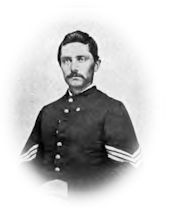
Diary of Alexander G. Downing; Company E, Eleventh Iowa Infantry
Thursday, 4th—Our entire company went out on picket duty this morning with the orders to keep a sharp lookout for rebels. The sentinels out on the front are ordered to stand in secluded places, as they are in danger of being picked off by the rebel sharpshooters. It rained all day again.
Wednesday, 3d—It rained all night, but the weather is rather cold. We moved our camp today and set it up again in a deserted camp, one mile from Abbeville, which the rebels had built for winter quarters.
Tuesday, 2d—We marched ten miles last night and then went into bivouac for the rest of the night. The rebels are falling back without much resistance. We left our bivouac at 10 o’clock this morning, crossed the Tallahatchie river over the railroad bridge and after marching four miles, went into camp. We are near the town of Abbeville, where the rebels were strongly fortified. They deserted the place early yesterday morning after burning the station, but left large quantities of their supplies which they could not move before they had to flee. After they had crossed the bridge, which is a mile long, they set fire to it, but it failed to burn. Our cavalry is after them today and have taken several prisoners. It rained all day today.
Monday, 1st—We lay at this place, Waterford, until about 6 o’clock in the evening, when we struck our tents and started on a night march.
Sunday, 30th—We lay in camp here at Waterford all day and I wrote a letter to John Moore. I was on picket last night, but was relieved this morning. There was some skirmishing and cannonading out on the Tallahatchie river today. Several troops passed here going out to the front. The land in this part of the country is very rough and very poor. The soil is sandy and is easily worked.
Saturday, 29th—We started this morning at 6 o’clock and arrived at Holly Springs at 10 o’clock. We remained there about two hours and then moved on to Waterford, eight miles distant, where we went into camp. We drove the rebels before us nearly all day and there was some skirmishing. The fighting in the streets of Waterford was sharp and the buildings were burned. There was heavy cannonading in the front late in the day. There are thousands of negroes, women and children, of all shades of color gathered at Holly Springs. The roads by which we marched were lined with them. The best of the negro men have been taken South by the rebels to work on their fortifications.
Friday, 28th—We packed our knapsacks ready to be sent to La Grange, and striking our tents started at 6 o’clock. We marched eighteen miles and went into camp for the night. Our cavalry drove some five hundred rebels out of Holly Springs this morning. The entire army is on the move and is in command of General Grant. It is reported that we are to effect a junction with General Sherman’s army in the rear of Vicksburg.
Thursday, 27th—I signed the allotment roll for my father to draw $10.00 of my pay at home. The division received orders to be ready to march tomorrow morning. We are to pack our extra clothing in our knapsacks, which are to be stored at La Grange. Our tents are to be taken with us, the quartermaster delivering them to us every night so that we will not have to lie out in all kinds of weather.
Wednesday, 26th—Nothing of importance. The boys had the laugh on our commanding general this afternoon when we were returning from drill; he was riding at the head of the division and when crossing the creek at a rocky ford he was thrown from his horse. The boys declared that the horse was O. K., but that perhaps the real cause of his ducking was Southern rum.


