October 26th. All quiet up to early this morning, before daylight, when the long roll sounded out calling us out under arms. It makes much excitement in the dark. We were quickly in line and on the Winchester Pike. In line waiting for orders. After waiting some time, later on, we learned the cause. General Duffield, a cavalry commander, left Winchester last night for Martinsburg, with a small escort. A few miles out on the Pike the General and his escort were captured by Mosby. The General was riding in an ambulance to get sleep and rest. That’s the report as it came to us. That dashing business was carried out on both sides. After a time we returned to our camp. General Duffield is no doubt on his way to Richmond. All is quiet tonight.

Etowah Bridge, Wednesday, Oct. 26. A windy, cloudy day, indications of rain. When we came in from grazing, found mail awaiting us. Received a good home letter. Several through trains from Chattanooga passed to the front last night. Late this evening a portion of the 48th Indiana started for Resaca by rail. Rebs tearing up the tracks again.
Wednesday, 26th.—Heavy cannonading in direction of Decatur. At Summerville at 4 P. M.

Wednesday, 26th—The weather is quite pleasant. Nothing of importance. Still in camp. Our work, outside of regular picket duty, is very light here.

26th. Wednesday. In camp. Regt. not picket. Cloudy. Paymaster came.
Wednesday, October 26. — Captain Amory had a letter from Mr. Campbell, saying that all special exchanges were at an end, but that a general exchange would soon take place. Rebel officers have been trying to enlist some of our men, so we sent Captain A.’s letter out to them. They cheered on hearing it read, which brought Captain Senn out. Drew $200. Lent $50 to Sterling and $50 to Colonel White. Men began digging on a new sink. Captain A. received a letter from Captain Belger, saying that Lieutenant Amory had gone North, and that Major Forbes was at the stockade. Leaves are beginning to fall quite fast now.
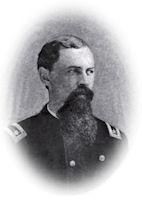
At Little River again, October 26, 1864.
Got back on the 25th, and have been laying quiet. Our foragers have been skirmishing a good deal with the enemies’ scouts, but few casualties however.
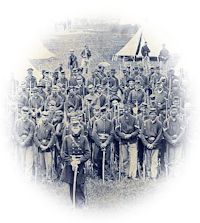
October 26th, 12 o’clock m. Active preparations still continue. All detailed men are ordered to their regiments. Cooks, clerks and grooms, and even commissary sergeants, are ordered to carry guns, or have them on hand in case of emergency. “We will not move until night, if then. All Michigan men who are sick in hospitals are to have furloughs. I have made out several today.
4 o’clock p. m. The General is striking tent; will probably be off in the night. We are ready to march at “tap of drum.” All surplus stores, everything that might in any way impede our march, has been sent to City Point. Of the men, those who are so fortunate as to be sick, be it ever so little, are on their way to Michigan. I have been at Headquarters nearly all day making out furloughs. It is an agreeable task, even when I am not personally interested. Many of the poor fellows have not been home since they enlisted, and would not now, had not furloughs been given by wholesale.
7 o’clock p. m. We have just been notified we march at 3 o’clock tomorrow morning.
Oct. 26th. At two P.M. moved to the “yellow house.”

October 26th.—Clear and frosty. Quiet below.
Gen. W. M. Gardner (in Gen. Winder’s place here) has just got from Judge Campbell passports for his cousin, Mary E. Gardner, and for his brother-in-law, F. M. White, to go to Memphis, Tenn., where they mean to reside.
Mr. Benjamin publishes a copy of a dispatch to Mr. Mason, in London, for publication there, showing that if the United States continue the war, she will be unable to pay her debts abroad, and therefore foreigners ought not to lend her any more money, or they may be ruined. This from a Secretary of State! It may be an electioneering card in the United States, and it may reconcile some of our members of Congress to the incumbency of Mr. B. in a sinecure position.
A friend of Mr. Seddon, near Vicksburg, writes for permission to sell thirty bales of cotton—$20,000 worth—to the enemy. He says Mr. Seddon’s estate, on the Sunflower, has not been destroyed by the enemy. That’s fortunate, for other places have been utterly ruined.
Investigations going on in the courts show that during Gen. Winder’s “Reign of Terror,” passports sold for $2000. Some outside party negotiated the business and procured the passport.
Gen. Early has issued an address to his army, reproaching it for having victory wrested out of its hands by a criminal indulgence in the plunder found in the camps captured from the enemy. He hopes they will retrieve everything in the next battle.
Governor Smith’s exemptions of magistrates, deputy sheriffs, clerks, and constables, to-day, 56.


