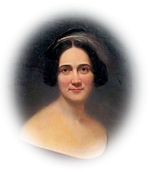
September 19th.—A painful piece of news came to us yesterday—our cousin, Mrs. Witherspoon, of Society Hill, was found dead in her bed. She was quite well the night before. Killed, people say, by family sorrows. She was a proud and high-strung woman. Nothing shabby in word, thought, or deed ever came nigh her. She was of a warm and tender heart, too; truth and uprightness itself. Few persons have ever been more loved and looked up to. She was a very handsome old lady, of fine presence, dignified and commanding.
“Killed by family sorrows,” so they said when Mrs. John N. Williams died. So Uncle John said yesterday of his brother, Burwell. “Death deserts the army,” said that quaint old soul, ”and takes fancy shots of the most eccentric kind nearer home.”
The high and disinterested conduct our enemies seem to expect of us is involuntary and unconscious praise. They pay us the compliment to look for from us (and execrate us for the want of it) a degree of virtue they were never able to practise themselves. It is a crowning misdemeanor for us to hold still in slavery those Africans whom they brought here from Africa, or sold to us when they found it did not pay to own them themselves. Gradually, they slid or sold them off down here; or freed them prospectively, giving themselves years in which to get rid of them in a remunerative way. We want to spread them over other lands, too—West and South, or Northwest, where the climate would free them or kill them, or improve them out of the world, as our friends up North do the Indians. If they had been forced to keep the negroes in New England, I dare say the negroes might have shared the Indians’ fate, for they are wise in their generation, these Yankee children of light. Those pernicious Africans! So have just spoken Mr. Chesnut and Uncle John, both ci-devant Union men, now utterly for State rights.
It is queer how different the same man may appear viewed from different standpoints. ”What a perfect gentleman,” said one person of another; “so fine-looking, high-bred, distinguished, easy, free, and above all graceful in his bearing; so high-toned! He is always indignant at any symptom of wrong-doing. He is charming—the man of all others I like to have strangers see—a noble representative of our country.” “Yes, every word of that is true,” was the reply. “He is all that. And then the other side of the picture is true, too. You can always find him. You know where to find him! Wherever there is a lookingglass, a bottle, or a woman, there will he be also.” “My God! and you call yourself his friend.” “Yes, I know him down to the ground.”
This conversation I overheard from an upper window when looking down on the piazza below—a complicated character truly beyond La Bruyere—with what Mrs. Preston calls refinement spread thin until it is skin-deep only.
An iron steamer has run the blockade at Savannah. We now raise our wilted heads like flowers after a shower. This drop of good news revives us.¹

______
¹ By reason of illness, preoccupation in other affairs, and various deterrent causes besides, Mrs. Chesnut allowed a considerable period to elapse before making another entry in her diary.