Monday, 2nd—Froze up and snowed to-day and night.
Saturday, February 2, 2013
Monday, 2d.—Just before day aroused by heavy cannonading along the river. Gunboat “Queen of the West” passed the batteries.
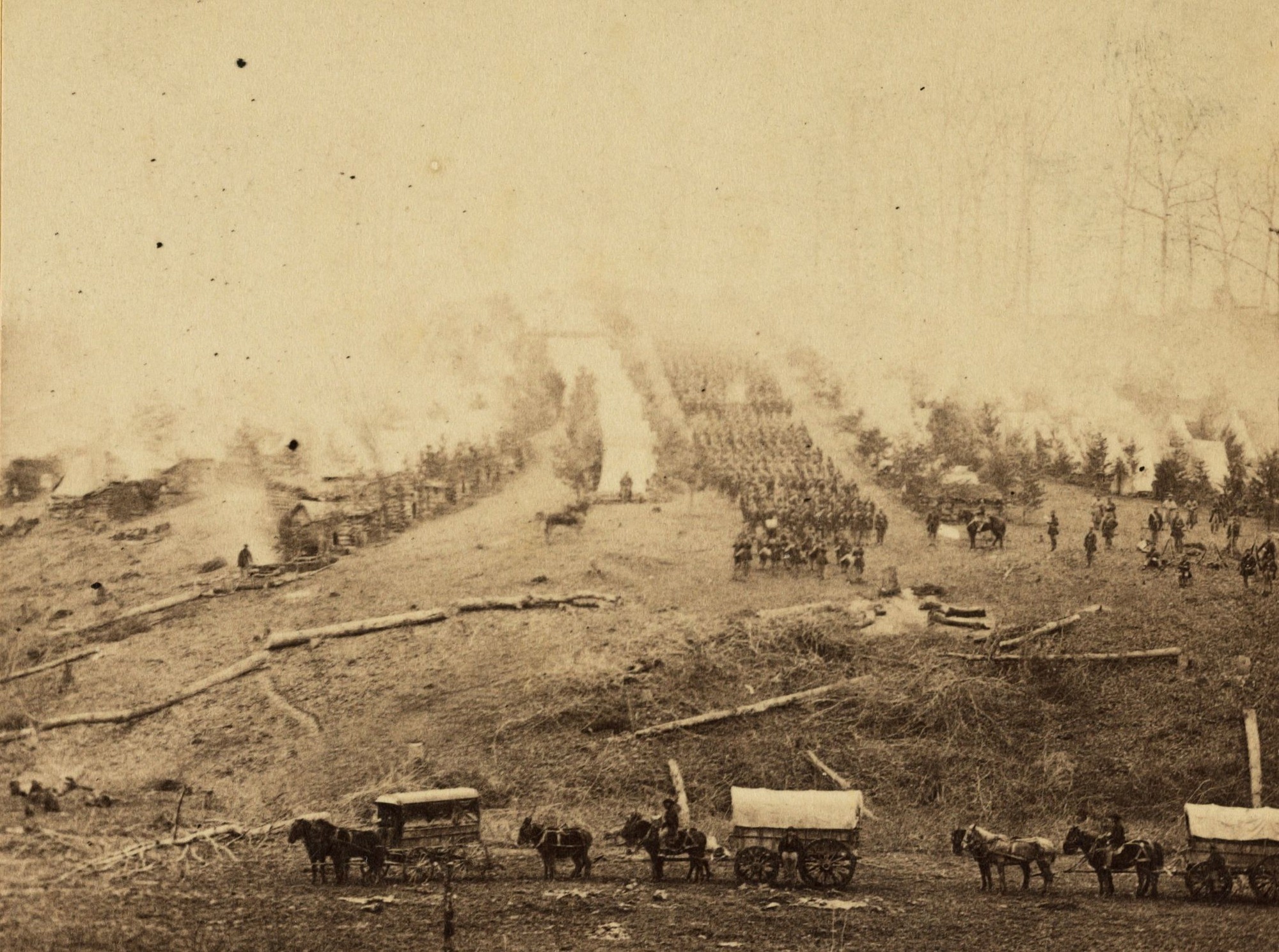
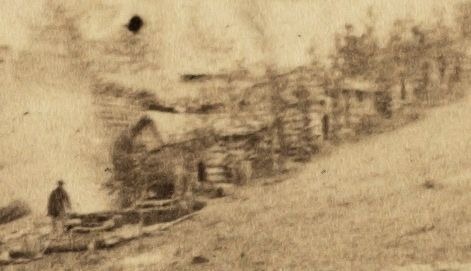
Three horse-drawn covered wagons in the foreground. Soldiers marching in formation between rows of small cabins and tents in the background.
Source: Stereograph from collection of William A. Pinkerton.
Copyright 1863 by Alexander Gardner.
Library of Congress image.
___________________
Closer inspection with cropped images show that the formations are facing towards the camera with a band or drum corps at the front.
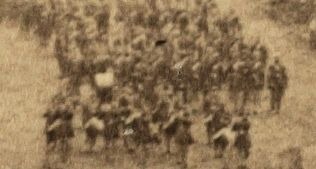
The time of year is winter, as evidenced by the winter quarters shown in the image and the bare trees in the background.
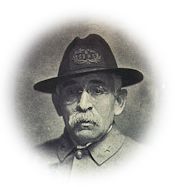
February 1 and 2—There is nothing new, but cold, cold, cold.
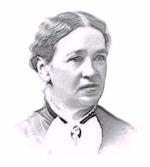
[Diary] February 2.
Mr. Philbrick is so angry at the stoppage of the sales of lands. He wants his now and he is going to buy largely, saying that it is to prevent the lands falling into the hands of those who will take advantage of the people. He says he will sell again to the people as soon as he finds it for their interest. He says he will sell at cost. I believe be is going to petition that the Island of St. Helena be sold at once, and he wants all the superintendents to sign.
The negro companies under Higginson have fought well in Florida — four wounded. Captain Clifton killed. The soldiers — white ones — set fire to St. Mary’s. Three colored men were taken prisoners, and Higginson says if the rebels hang them he will hang two whites for every one of them.

2nd. Got the rations up from the post and Okie (MacDowell) helped me issue them. Thede came down. Helped me clean up about the commissary. Felt rather tired when night came. Wrote two small sheets to Fannie and then retired. A cold night.

Monday, 2d—An exciting time down at Vicksburg last night was reported in camp this morning. One of our gunboats ran the blockade and while passing their batteries, the rebels fired exactly one hundred and thirty shots at her, but did not hurt her. Our gunboats blew up one of the rebels’ steamers which was tied at the wharf just below the city, and then ran another battery below without being hurt.
Monday Feb’y 2nd 1863
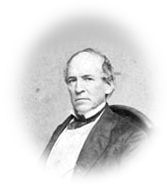
Have not done much in the office today, there has not been much to do. I wrote a letter home inclosing a draft for $75.00, also sent a bundle of news papers. I send one every day, the “daily Chronicle,” which is left at my room every morning. A number of Soldiers have called on me today for assistance. I went to the N York Rooms with them and gave them a supply. Sent a nice can of fruit to Robert White and another to a poor sick fellow by the name of Chandler from Livingston Co, the only two N.Y. men who were at all badly off in that Hospital. Paid my months Board, Room rent &c, wood & Light included, $30.00. Think of leaving here, but do not know where I coud do any better just now. Went down to the Ave this evening. Sat and read an hour or more in Taylors Book Store. Got hold of Hon Henry Ruttans work on warming and ventilation. He lives in Cobourg C.W. I used to know him. I bo’t Harper’s Monthly and have been reading it since I returned to my room. “A Californian in Iceland” by J Ross Browne is quite interesting and amusing, his powers of description are unequaled. Some body is being Serenaded tonight as a Band of Music has struck upon the street. It is now after eleven o’clock. Some distinguished character is in the neighborhood. Well, the music is good and sounds just as well to the neighbors as though they paid for it. No War news today. Everything quiet on the Potomac. But news expected all the time, especialy from N.C. as well as Vicksburgh. It has been pleasant over head.
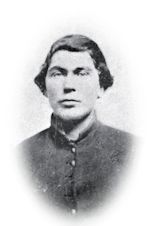
Buntyn Station, Monday, Feb. 2. Cold, and toward the evening windy. S. Beaver went down town in search of his brother wounded at Arkansas Post, but returned without finding him. Gone up the river.
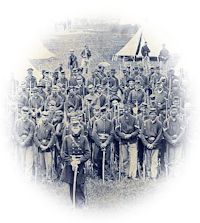
Camp Pittman, Va., February 2d, 1863.
Our camp has been christened at last. We are building a huge oven, large enough to supply our brigade with soft bread. Furloughs are being granted to a limited number of officers and men. This will entitle our company to eight privates. In our company the lot fell between Wait Wright, of Eaton Rapids, and myself. Our cases were so similar the Colonel would not decide between us. He said we must talk it over and agree which should go first, and that, as soon as one returned, the other should go. I heard Mr. Wright’s story and volunteered to remain until his return, which will be fifteen days from the date of his furlough. The past week has been very cold. It has snowed all day, and now—about four o’clock—is turning to rain, and bids fair to be a rainy night.


