April 14 — Turned over all our tents to-day, which means that we are to take the weather raw all through the campaign, with nothing to shelter us from storm and rain, sunshine and dew.
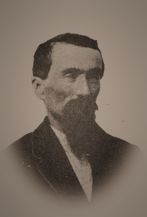
Three Years in the Confederate Horse Artillery — George Michael Neese.
April 13 — Moved camp to-day a mile west of New Market and are now camped near the North Fork of the Shenandoah.
April 12 — Renewed our march early this morning, passing through Luray, and moved toward New Market. We crossed the Massanutten mountain and camped half a mile east of New Market.
April 11 — Early this morning we were ordered to prepare for a camp move, and by seven o’clock we were ready for the word forward. We moved up the Page valley and marched hard all day, camping this evening five miles below Luray. This evening after we halted to camp we had to walk two miles after hay, and had to bring it across the Shenandoah in a boat.
April 6 — This morning one gun was ordered down the river to the cavalry picket post. The detachment started with the gun, but before it got to the post the order was countermanded and it returned to camp. The Yankees fell back toward Winchester to-day.
April 5 — Commenced snowing last night about ten o’clock and snowed fast until ten to-day. The snow then was eight inches deep. This morning just before getting-up time our tent collapsed from the weight of snow on it. When it fell I thought an avalanche had struck us, and I wondered whether anyone else was buried under the snow.
About fifty Yankee sharpshooters appeared on the opposite side of the river two miles below our camp, and our pickets were exchanging shots with them all day. This evening one company of Yanks attempted to cross the North Fork of the Shenandoah, and partly succeeded, thereby gaining the south side of the river. From there they could have easily and without any serious opposition advanced up on the west side of the Shenandoah and fired into our camp. I was on camp guard to-day, and this evening Captain Chew gave me strict orders to be very vigilant during the night, and in case an alarm reaches camp, or if the enemy should attempt to rush on to surprise us, to rouse the camp immediately and unlimber a gun and fire as fast as possible.
March 31 — Commenced snowing last night and snowed very fast until noon to-day, then cleared up warm and melted all the snow. The mud in camp is about six inches deep and still rising.
March 30 — Opened the season exercises this afternoon with a good, long battery drill, right on the bank of the Shenandoah.
March 27 — Thanksgiving day. I was at the Methodist church in Front Royal, and heard an exhortation by the Rev. Mr. Berry.
March 23 — We renewed our march, and about the middle of the day we halted and camped on the east bank of the Shenandoah River one mile above Front Royal. The country around our camp is very hilly and broken. Although we are camped right on the river bank, yet there is very little bottom or pretty land in sight on this part of the river. A little distance above our camp the encroaching hills push boldly toward the river and end in abrupt bluffs, which rise almost perpendicularly from the water’s edge.


