
Friday, 10th—We lay in camp all day, but large foraging parties were sent out. They brought in great quantities of forage—pork and potatoes, also feed for the animals. The farming is all done here by the negro women and old men, the able-bodied men, white and black, being in the army. We received a large mail today, the first for a month. I got two letters and two packages.

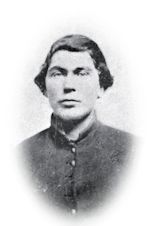
Nashville, Friday, Feb. 10. Last night I had another visit from that evil genius that seems to hover over my very existence, the ague: I shook briskly for about an hour and a half, but it was not followed by a very heavy fever. Got up to breakfast. Found that Keeler had called my name for supernumerary guard. I did not feel able for duty, but as the boys have such heavy duty on every other day, I could not refuse to do all I could, so I went and drew me a musket and turned out to guard-mount. Oh! how ferocious I did look with my brass plates and fixed bayonet. Griff gone to town on guard. The mail has just brought me a letter from John which says Mother is improving, but yet suffering severely.
February 10, 1865.
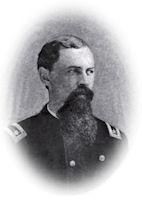
Had no “general” this morning (our signal for getting up), so when the “assembly” sounded we climbed from our blankets to our saddles and went off on a railroad burning expedition. Our brigade by noon had completely destroyed two and one-half miles. The 17th and our 3d Division crossed the South Edisto to-day, four miles from here. We will cross to-morrow, I hear. Also hear that S. D. Lee’s Corps of Hood’s Army is at Augusta. We whipped them July 28, ’64, and can do it again. I think the whole army is here now. We have 15-day half rations yet. Wonder where it will take us.
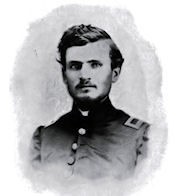
10th. On picket. Had a first class guard mount. Everything passed off splendidly. Made the rounds with the Brigade Officer of the Day in the deep snow.
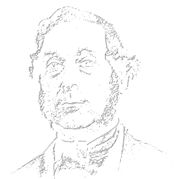
February 10th.—Bright and cold. It is estimated that the enemy lost 1500 men in the fight near Petersburg, and we 500.
Sherman has got to the railroad near Branchville, and cut communications with Augusta.
At the meeting, yesterday, Mr. Hunter presided, sure enough; and made a carefully prepared patriotic speech. There was no other alternative. And Mr. Benjamin, being a member of the cabinet, made a significant and most extraordinary speech. He said the white fighting men were exhausted, and that black men must recruit the army—and it must be done at once; that Gen. Lee had informed him he must abandon Richmond, if not soon reinforced, and that negroes would answer. The States must send them, Congress having no authority. Virginia must lead, and send 20,000 to the trenches in twenty days. Let the negroes volunteer, and be emancipated. It was the only way to save the slaves—the women and children. He also said all who had cotton, tobacco, corn, meat, etc. must give them to the government, not sell them. These remarks were not literally reported in the Dispatch, but they were uttered. He read resolutions, adopted in certain regiments, indorsing the President and his cabinet—of which Mr. B. said, playfully, he was one.
Yesterday, in the House, upon the passage of a bill revising the Commissary Department, Mr. Miles said the object was to remove Col. Northrop. [His removal has been determined.] Mr. Baldwin said the department had been well conducted. Mr. Miles said in these times the test of merit must be success. The bill passed.
Senator Hunter is at the department this morning, calling for the statistics, prepared by my son Custis, of the fighting men in the Southern States. Doubtless Mr. Hunter is averse to using the slaves.
The new Secretary of War is calling for reports of “means and resources” from all the bureaus. This has been done by no other Secretary. The government allowed Lee’s army to suffer for months with the itch, without knowing there were eight hundred barrels of soap within a few hours’ run of it.
From the ordnance report, I see we shall have plenty of powder —making 7000 pounds per day; and 55,000 rifles per annum, besides importations. So, if there must be another carnival of blood, the defense can be maintained at least another year, provided the right men have the management.
A violent opposition is likely to spring up against Mr. Benjamin’s suggestions. No doubt he is for a desperate stroke for independence, being out of the pale of mercy; but his moral integrity is impugned by the representatives from Louisiana, who believe he has taken bribes for passports, etc., to the injury of the cause. He feels strong, however, in the strength of the President, who still adheres to him.
There is much excitement among the slaveowners, caused by Mr. Benjamin’s speech. They must either fight themselves or let the slaves fight. Many would prefer submission to Lincoln; but that would not save their slaves! The Proclamation of Emancipation in the United States may yet free the South of Northern domination.
February 10th. 1865.
The “great movement by Grant’s army,” so much talked of by correspondents, is still wrapped in mystery. Nothing definite has yet transpired concerning it. It is stated, however, on seemingly good authority, that Meade has advanced his lines about four miles, not across the railroad, but parallel with it, and is fortifying. Sixteen siege guns have gone out today, with which he proposes to “occupy the road.”
I believe this move is simply to keep Lee occupied here, and thereby prevent his interference in other quarters.
Thursday, 9th—We remained in camp until noon, when we moved forward again about ten miles and went into bivouac on the east bank of the Edisto river. The First Division waded the river to drive the rebels back so that the engineers with our corps could lay the pontoons for the corps to cross. The Fifteenth Corps crossed the river about a mile above. A great deal of property is being destroyed by our army on this raid. The familiar clouds of smoke are becoming more numerous every day, while out on the left we can count from ten to twenty of the red clouds in the heavens every night.
Nashville, Thursday, Feb. 9. No warmer; feel no better. Received a letter from the Valley with the sad, sad news that my dear mother had again been very sick. But thank kind Providence she was improving. I pray that she may be wholly restored ere this.
Bamberg, S. C., February 9, 1865.
We were to go to Cannon’s bridge on the Edisto four miles, but heard the bridge was burned, so we did not go. I think we will go up the river towards Augusta. Late Confederate papers say that Thomas has started south towards Montgomery, leaving Hood behind him. Many of the officers have strong hopes of something resulting from the peace movement. Can’t say that I have.
Near Grahams. C. & A. R. R. February 9, 1865.
Rear guard on our road to-day. Made about a dozen miles, very disagreeable march. Snowed a little in the morning and terribly cold all day. Got into camp at 7:30 p.m. This is a pine, sand country, with some very good plantations, but all look neglected. The people who remain at home seem an ignorant, forlorn set who don’t care for their “rights” or anything else. I think the militia they have brought out to oppose us must suffer, this weather, being unused to the business and unprovided with rubbers, etc. Poor devils!
9th. Cleared up the grounds during the day. Received a letter from Sarah Felton and Will Hudson in evening, with Sarah’s picture. School in evening. Detailed for picket.


