Following the American Civil War Sesquicentennial with day by day writings of the time, currently 1863.

Monday, November 22, 2010

(Private)

New York, November 22, 1860.

My Dear Sir,— . . . We have divers reports of disagreements in the Cabinet in regard to the disunion movements in the South. I hear nothing from Cobb in reply to my letter.

There is a great fallacy at the basis of all the secession movements. It is this, that the violation of a compact by one of the parties releases all, assuming our federal system to be identical with a contract between individuals for certain purposes. It is totally different, and is not subject to the same reasoning and conclusions. The States have organized a central government and ceded to it a part of their sovereignty. The violation of the compact, to warrant a release of the parties, must be on the part of the central government, and not of one of the associates. Mr. Cushing, in his late letter, loses sight of this distinction—a vital one, as I think, in all our reasonings concerning the present disunion movements. In haste, I am,

Truly yours,

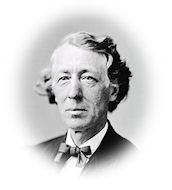
John A. Dix.

Hon. Horatio King.

To the Hon. Herschel V. Johnson

Speir’s Turnout, Jefferson City, Ga.

New York, November 22, 1860.

My Dear Sir,—I have seen with great satisfaction that amidst all the turmoil of passionate madness, fed by the incendiary speeches of Yancey and Toombs, your patriotic voice is loud in favor of the Union.

Heaven grant that the wise counsels of such men as you, and the noble Alex. Stephens, may be listened to, and that our Southern brethren may act firmly and manly, but without precipitation. In that case all must in the end come right, and the South will ride triumphantly through the storm.

My only fear is that the secession leaders, reckless of patriotic considerations, and only bent upon the accomplishment of their treasonable ends, may succeed in manufacturing packed conventions in South Carolina, Georgia, and Alabama, for the purpose of precipitating secession without an appeal to the people.

This ought to be prevented at all hazards, and I hope that you, and other patriotic leaders, will rouse the people of your State to a full appreciation of the nefarious game played by their pretended friends. I have expressed my views more at length in a letter, which I addressed to-day to Mr. Forsyth, and of which I beg to hand you a copy.

The South has got the game in her own hands, and it is for her to choose whether to give peace and greatness to our common country, while at the same time securing for herself every Constitutional right, or whether to bury us all in one desolating ruin, which would be to the enemies of human liberty a vindication of the justice of their uncompromising opposition to self-government. The dissolution of the American Union is the death-knell of human liberty.