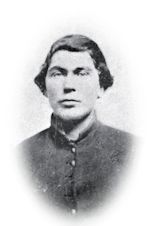
Huntsville, Sunday, May 15. Quiet, tranquil Sabbath day. For once I was not on guard Sunday, so I attended Sabbath school at; 9 A. M. A very interesting class, with the soldiers taught by an intelligent Northern man connected with the quartermaster’s department. Waited till sermon, 10:30 A. M. Listened to a miserable, inconsistent discourse from an itinerant Methodist preacher, a violent rebel apparently at that. In the evening took a stroll through the town to admire the beautiful blooming grounds and yards. Visited the Calhoun yard, where the pest house is now kept. Saw specimens of that vegetable curiosity called the “century plant”, about four feet high, with large fluffy leaves like petals, with little sign of life.
May 2014
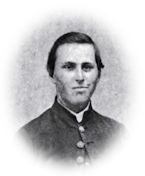
May 15th. Rain. Rain. On picket, wondering why we do not get relieved. It is past time for the relief to show up. Lieutenant Kerr sends a detail to camp to learn the cause. Returned in a short time, reported the regiment had left for parts unknown. The Lieutenant called in the pickets to the reserve headquarters in the woods. Formed company and were ready for action as we marched out of the woods to the pike, expecting to meet the enemy’s scouts. Instead we met our own cavalry scouts who reported our regiment left in the night, going up the valley towards New Market. We started on after them, making a forced march, wet, tired, hungry, well used up. Some misunderstanding of orders was the cause of our being left on picket. It was a wonder to us that we did not meet the rebel cavalry and have a hot time, as they had been in this vicinity, scouting all around us. We were determined to put up a hot fight, had we met the enemy. Lieutenant Kerr kept urging us on, making a forced march up the pike. Duty having been so severe, and the lack of rations for the past few days, we were near used up. The last two miles of the march we ran, and joined the regiment as they were going into action, having made a march of sixteen miles with hardly a rest, and very little to eat.
Colonel Moore, Commander of our brigade, pushed our regiment and an Ohio regiment, with a section of a battery, two field guns, about six miles in advance of the main army, bringing on a general engagement. We could not hold the enemy in check as they advanced with a long line of battle. Our battery fell back. The Ohio regiment followed, when our commander, Lieutenant-colonel Peale, gave the command to our regiment, “By the right of companies, to the rear in column,” so we continued to march until we met the 34th Massachusetts Regiment, coming running up with a battery, taking a good position. The enemy was held in check, but for a short time. Sigel managed to get his main force in line, batteries posted, so the enemy was held in check. Our brigade suffered heavy loss. Some of the field pieces had to be abandoned as the horses had been killed and we were in too much mud to draw them away, or back to the main line. It looked to us like a case of mismanagement.
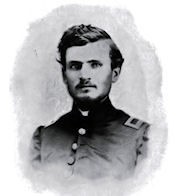
Sunday, 15th. Trains passing to the rear all night and today. Started teams for forage. Rainy night and cloudy today. Several from the Regt. down, Col. P.—Regt. under Maj. Nettleton had a fight with a brigade of rebs. Lost 15 or 20 horses, and four men were wounded. Rebs fell back as soon as the “dark cloud” made its appearance. Big reports came to the rear. Guess Button showed little pluck.
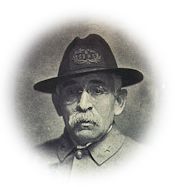
May 15—Still here. They are fighting very hard on the front.
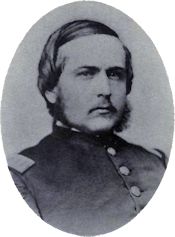
Sunday, May 15th.
Spent the day building breastworks and strengthening our position. About to o’clock A. M. a rebel battery opened on our center, but ceased firing after a little and everything remained quiet. A thunderstorm came up in the afternoon, but was comparatively brief. Capt. Gould and I took a bath in the Nye River, and many of our men followed our example.
by John Beauchamp Jones
MAY 15TH.—Clouds, sunshine, and showers.
The tremendous cannonading all day yesterday at Drewry’s Bluff was merely an artillery duel—brought on by the heavy skirmishing of pickets. The batteries filled the air with discordant sounds, and shook the earth with grating vibration. Perhaps 100 on each side were killed and wounded—”not worth the ammunition,” as a member of the government said.
Gen. Lee’s dispatches to the President have been withheld from publication during the last four days. The loss of two trains of commissary stores affords the opportunity to censure Lee; but some think his popularity and power both with the people and the army have inspired the motive.
I saw to-day some of our slightly wounded men from Lee’s army, who were in the fight of Thursday (12th inst.), and they confirm the reports of the heavy loss of the enemy. They say there is no suffering yet for food, and the men are still in good spirits.
Both the Central and the Fredericksburg Roads are repaired, and trains of provisions are now daily sent to Gen. Lee.
The Danville Road was not materially injured; the raiders being repulsed before they could destroy the important bridges. Supplies can come to Petersburg, and may be forwarded by wagons to the Danville Road, and thence to Lynchburg, etc.
Fresh troops are arriving from the South for Beauregard; but he is still withheld from decisive operations.
The Departmental Battalion is still out; the enemy still menacing us from the Chickahominy.
During the last four days correspondence has ceased almost entirely, and the heads of bureaus, captains, majors, lieutenant-colonels, adjutants, quartermasters, and commissaries, have nothing to do. They wander about with hanging heads, ashamed to be safely out of the field—I mean all under 50 years of age—and look like sheep-stealing dogs. Many sought their positions, and still retain them, to keep out of danger. Such cravens are found in all countries, and are perhaps fewer in this than any other. However, most of the population of the city between 17 and 50 are absent from the streets; some few shopkeeping Jews and Italians are imprisoned for refusing to aid in the defense, and some no doubt are hidden.
Most of the able-bodied negro men, both free and slave, have been taken away—in the field as teamsters, or digging on the fortifications. Yet those that remain may sometimes be seen at the street corners looking, some wistfully, some in dread, in the direction of the enemy. There is but little fear of an insurrection, though no doubt the enemy would be welcomed by many of the negroes, both free and slave.
At 1 P.M. to-day a train arrived from Guinea’s Station with 800 of our wounded, in Sunday’s and Thursday’s battles.
The following prices are now paid in this city : boots, $200; coats, $350; pants, $100; shoes, $125; flour, $275 per barrel; meal, $60 to $80 per bushel; bacon, $9 per pound; no beef in market; chickens, $30 per pair; shad, $20; potatoes, $25 per bushel; turnip greens, $1 per peck; white beans, $4 per quart, or $120 per bushel; butter, $15 per pound; lard, same; wood, $50 per cord. What a change a decisive victory—or defeat—would make!
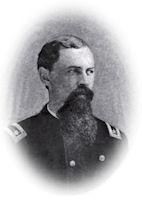
May 15, 1864, 1:30 a.m.
At 11 p.m. went again on the skirmish line with Captain Post and superintended the construction of rifle pits for our skirmishers. A good deal of fun between our boys and the Rebels talking only 50 yards apart.
Five thirty a.m.—At 3 a.m. moved and are now supporting Osterhaus, who is going to charge the railroad. Will see fighting this morning.
Nine a.m.—The skirmishers are fighting briskly. Osterhaus’ artillery is on both sides and behind us. Sherman has just passed us to the front. When we first came here about daylight the Rebels charged our folks on the hill ahead, but were repulsed without our assistance. McPherson is now passing. Osterhaus gained that hill last night by a charge, losing about 200 men in the operation. From a hill 50 yards from our position I can see the Rebel fort at Resaca and Rebels in abundance. It is not a mile distant.
One thirty p.m.—Our artillery is beginning to open on them. One man was killed and two wounded within 40 yards of the regiment by Rebel sharpshooters.
Seven p.m.—No charge yet to-day, but has been heavy fighting on the left. I have seen, this evening, Rebel trains moving in all directions. We have a good view of all their works.
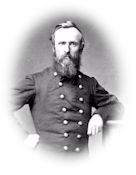
Saturday, 14. — A rainy night. No march this A. M. Sergeant Ogden here wounded twice — not dangerously. Given by Captain Hastings a pair of spurs from Cloyd’s Mountain said to have been worn by General Jenkins.
12 M. Ordered to march. [The] Fifth and Seventh Virginia dismounted men report to me under Major Slade; Captain Reynolds, quartermaster.
P. M. Marched in a driving rain over execrable roads to near Salt Sulphur Springs, three or four miles south of Union. The question is, Can the train pass over such roads? — six miles. Out of grub; live off of the country. General Averell and his cavalry a failure.
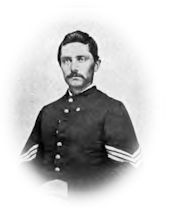
Saturday, 14th—The weather is quite warm and pleasant. A large fleet of transports arrived at Clifton this morning, loaded with troops and supplies, the wagons and teams of the Seventeenth Corps being on board. We also received a large mail.
News came that General Grant had defeated the rebels in a two days’ battle before Richmond, though he lost about twenty thousand in killed and wounded. The news is almost too good to believe. All is quiet here in the West. We are still herding cattle, but think we shall soon be relieved.
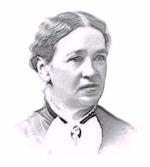
[Diary] Saturday, May 14, 1864.
A letter from Rosie showed me more plainly the state of feeling at home about my staying longer here. It is too bitter, but Captain Hooper has been alarming them about my health. For a month past I have had rest, comfort, peace, and a good school. I have never been so well and hearty and rested since I have been in the department. I think it would be better for me to wait for the new school-houses, and get Mr. Wilson to put them up at once. But I suppose I must go and not let them fret any longer about me.


