Near Helena, Friday, March 13. Health good. Fine weather. Drew thirty days’ forage for horses, per order. 1st Brigade embarking, loading in the night. Stood guard.
March 2013
Friday, 13th—Went on bread detail, saw Mrs. Billington at Widow Clardy’s, her mother; took dinner with them. Met Miss Ore and Miss Patton.
by John Beauchamp Jones
MARCH 13TH.—To-day a great calamity occurred in this city. In a large room of one of the government laboratories an explosion took place, killing instantly five or six persons, and wounding, it is feared fatally, some thirty others. Most of them were little indigent girls!
March 13.—Fort Greenwood, on the Tallahatchie, Miss., was this day, and for the preceding two days, bombarded by the Union gunboats Chillicothe and De Kalb, and also by a land-battery of heavy Parrott guns. The guns of the fort were nearly silenced, but it being unassailable by infantry, the gunboats were compelled to retire without being able to reduce it.—(Doc. 135.)
—The schooner Aldebaran was captured and burned by the rebel privateer Florida.—A Union meeting, under the auspices of the Union League, was held at Newark, N. J.—A slight skirmish took place at Berwick City, La., ending in the dispersion of a party of rebels, who attacked a National water-party from Brashear City.—Early this morning the signal-station at Spanish Wells, S. C, was surprised and burned by a party of rebels. A lieutenant and eight men were made prisoners and carried off.—(Doc. 136.)
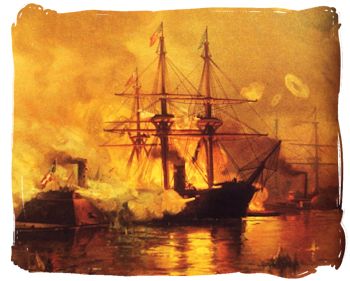
March 12th. The Genesee went up the river to-day with two mortar schooners in tow.
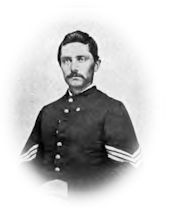
Thursday, 12th—The Eleventh Iowa received two months’ pay, I receiving $26.00. We commenced to cut the levee today, but shortly after we got started the order was countermanded.
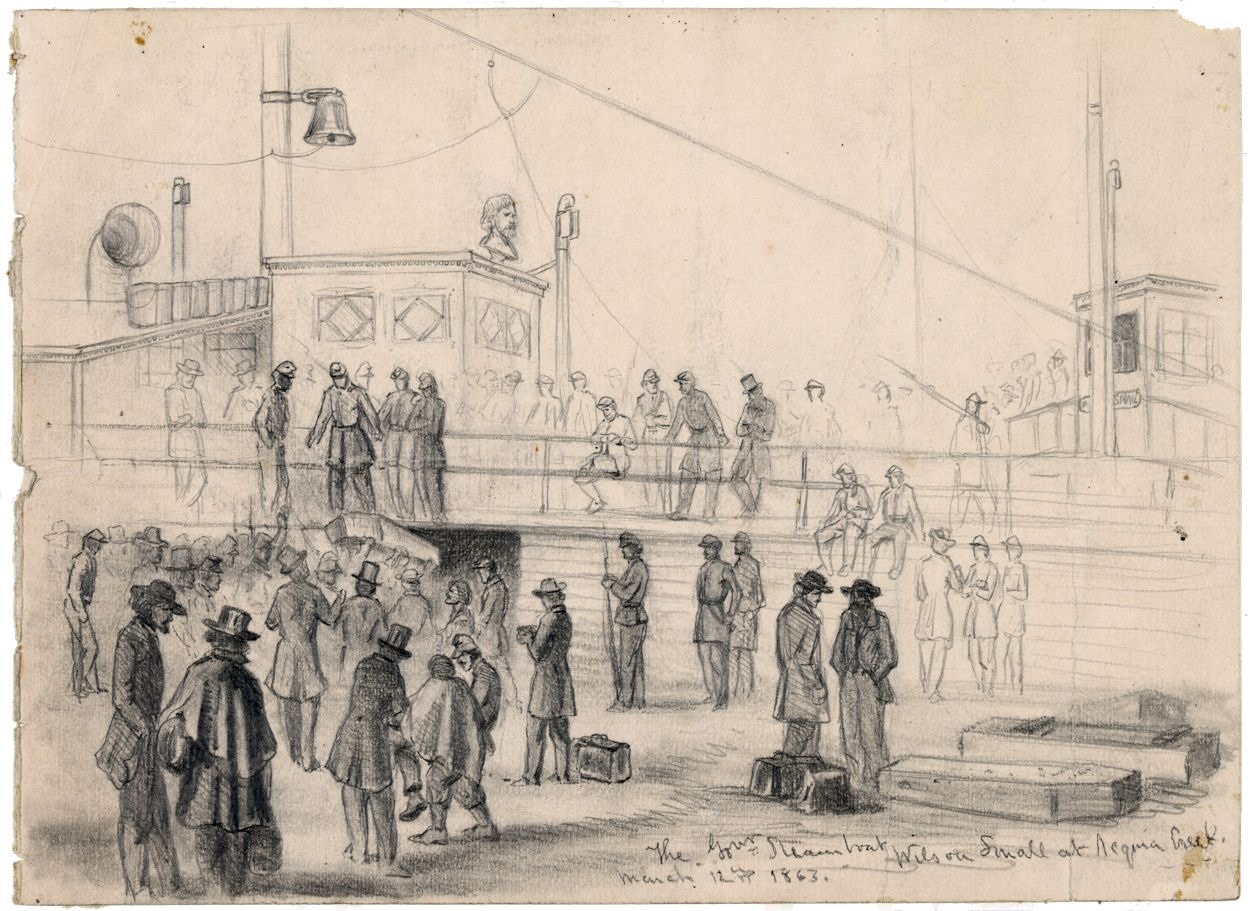
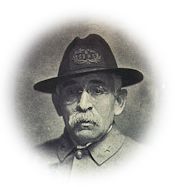
March 12—We have had orders several times for the last six days to march, and a part of our brigade has had a fight. But this morning we took up our march at 5 o’clock. I saw Gen. D. H. Hill on the road and spoke to him, as well as his adjutant. They are friends from home and comrades of our first North Carolina regiment. We marched twenty miles and halted for the night—laid in line of battle all night with arms by our side.
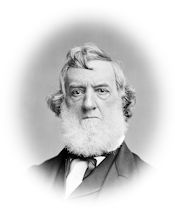
March 12, Thursday. Had a letter from Chief Engineer Stimers last night. Says the attack on Charleston will be delayed; suggests it will be made the first week in April. It made me nervous and restless through the night; got but little sleep. The delay, hesitation, uncertainty in the Army of the Potomac over again. Du Pont is getting as prudent as McClellan; is very careful; all dash, energy, and force are softened under the great responsibility. He has a reputation to preserve instead of one to make.
Stimers arrived this morning and read to me the minutes of a council held on board the Wabash. The army officers were present, and it is plain they were a drawback on naval operations. Talk of beginning the attack on Charleston by an assault on the sand-batteries at the mouth of the harbor instead of running past them. Of obstructions and torpedos little is known, but great apprehensions are entertained. Stimers is sent up to get more ironclads and another raft. The President came in, and the whole subject was recounted. His views and mine are alike. To delay for the objects stated till April will be to postpone to May. Expressed ourselves very decidedly, and told Stimers to hurry back.
Talked over the subject of Rebel privateers building in England. Said to the President and Mr. Seward I thought England should be frankly informed that our countrymen would not be restrained from active operations if Great Britain persisted in making war on our commerce under Confederate colors.
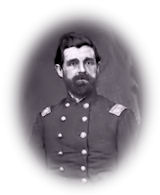
Colonel Lyon’s Letters.
Fort Donelson, Tenn., March 12, 1863.—We are well and have gotten quite comfortably settled after our move. The weather is very pleasant now, mud rapidly drying up.
I don’t know that I ever told you that our officers elected Dr. Smith, of Buffalo, Chaplain of this regiment some time ago. Just received a letter accepting the appointment, but he will not join us probably for some weeks.
Business is very active on the Cumberland, as all the supplies for General Rosecrans’ army go up this river. A fleet of twenty or more transports, convoyed by gunboats, left here this morning for Nashville.
You have doubtless heard ere this that the 22d Regiment, Colonel Utley, is captured. We have no particulars yet. They doubtless fought gallantly. I do not think either the regiment or its officers are to blame. The period of our stay here is very uncertain.


