Sunday, 21st.—The rebel army, reported at eighty thousand, but probably a small portion of it, numbering less than one quarter of that estimate, was encamped last night, within two miles of where we halted this morning. They left, however, on our approach, and we did not get sight of them. We moved again at 9 o’clock this morning, and having wandered through the fields for two hours, apparently without a definite object, we have again bivouaced almost in sight of Williamsport. We are in a beautiful grove, and here I hope we shall be permitted to spend the Sabbath in quiet. The enemy has escaped our “bag,” and why splutter on now, as if we meant to do something. I am now satisfied that this army will win no decisive battle whilst under command of General George B. McGlellan. It is not apart of his programme.
September 2012
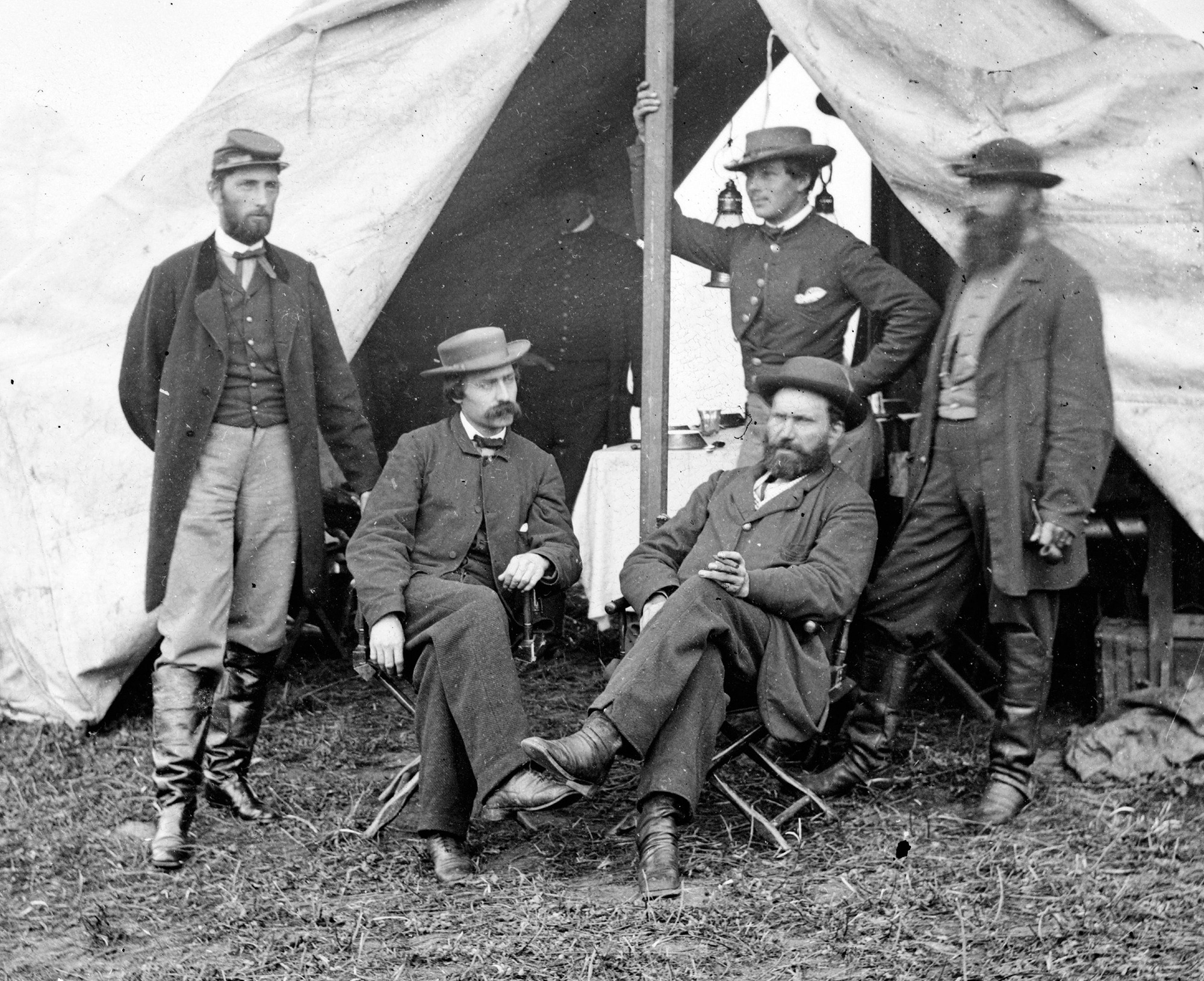
Antietam, Md. Seated: R. William Moore and Allan Pinkerton. Standing: George H. Bangs, John C. Babcock, and Augustus K. Littlefield; photographed by Alexander Gardner.
Library of Congress image.
September 21 — This morning we moved to Charlestown, remained there about two hours, then went on picket a mile below town on the Harper’s Ferry road. This afternoon we had preaching at our picket post, by a minister from Charlestown.
September 21st.
After supper last night, by way of variety, Anna, Miriam, and I came up to our room, and after undressing, commenced popping corn and making candy in the fireplace. We had scarcely commenced when three officers were announced, who found their way to the house to get some supper, they having very little chance of reaching Clinton before morning, as the cars had run off the track. Of course, we could not appear; and they brought bad luck with them, for our corn would not pop, and our candy burned, while to add to our distress the odor of broiled chicken and hot biscuit was wafted upstairs, after a while, in the most provoking way. In vain we sent the most pathetic appeals by each servant, for a biscuit apiece, after our hard work. Mrs. Carter was obdurate until, tired out with our messages, she at last sent us an empty jelly-cup, a shred of chip beef, two polished drumsticks, and half a biscuit divided in three. With that bountiful repast we were forced to be content and go to bed.
At sunrise this morning, Mrs. Carter left to go down to her father in Iberville, to see her stepmother who is expected to die. Scarcely had she gone when six more officers and soldiers came in from the still stationary cars to get their breakfast. We heard that Mr. Marsden, too, was down there, so the General sent him a nice breakfast, and I sent my love with it; but he had already breakfasted at Mr. Elder’s. As soon as they left, we prepared for church, and just as we were ready, Captain Brown and Mr. Addison were announced. The Doctor greeted us with an elegant bow, but they did not remain long, as we were about going out.
• • • • • • • • •
Many officers were in church, and as I passed out, Colonel Breaux joined me, and escorted Miriam and me to the carriage, where we stood talking some time under the trees before getting in. He gave us a most pressing invitation to name a day to visit the camp that he might “have the pleasure of showing us the fortifications,” and we said we would beg the General’s permission to do so. Charming Colonel Breaux! Like all nice men, he is married, of course. He and another officer drove just behind our carriage in coming home, until we came to the fork of the road. Then, leaning from their buggy, both gentlemen bowed profoundly, which we as cordially returned. Two more behind followed their example, and to our great surprise, ten, who were seated in a small wagon drawn by two diminutive mules, bowed also, and, not content with that, rose to their feet as the distance between the two roads increased, and raised their caps, though in the most respectful silence. Rather queer; and I would have said impertinent had they been any others than Confederates fighting for us, who, of course, are privileged people.
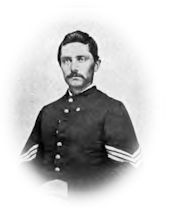
Sunday, 21st—We lay around all day in the camp which the rebels vacated. Their tents are badly torn, but the wooden bunks are in good condition. The wounded have all been cared for and the dead were buried today. A detachment of our army is still in pursuit of the rebels. Our brigade has been detailed to garrison this place and we expect our tents to arrive soon. I was detailed on camp guard this morning.
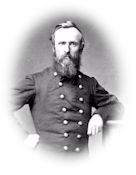
September 21. — Battle of Antietam rather with us. The Twenty-third has done nobly. Very gratifying. But alas, thirty or forty dead, and one hundred and thirty or one hundred and forty wounded.
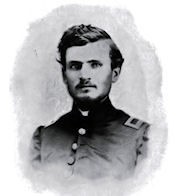
Sunday, 21st. Marched at sunrise. Ate breakfast at hotel. Went back after starting to look for Lt. Stewart. Met him coming. He had been out to stay with some friends and his horse had broken loose. Stopped after 15 miles at Mr. L.’s. Splendid spring, bathed in the cold water. Some of the mixed colored population so plentiful visited the Capt.’s tent. Two quite pretty little girls.
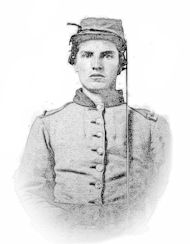
Sunday, 21st.—Marched to Georgetown to-day; very large spring here; about the first good spring we have found in Kentucky.
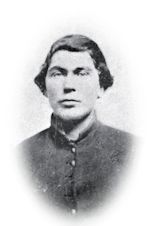
Rienzi, Sunday, Sept. 21. Was another repetition of that a week ago only on a little larger scale. The horses were harnessed at 1 A. M. and we went out on the Ripley road three quarters of a mile, laid there half an hour waiting for the enemy, then filed left on our drilling ground, drilled half an hour, then came home and unharnessed. Received new gun carriages and caissons in the afternoon. Report of another great battle at Iuka in which 1000 of our men were killed in twenty-five minutes. Colonel Murphy of the 8th put under arrest for withdrawing his men. Stood guard duty.
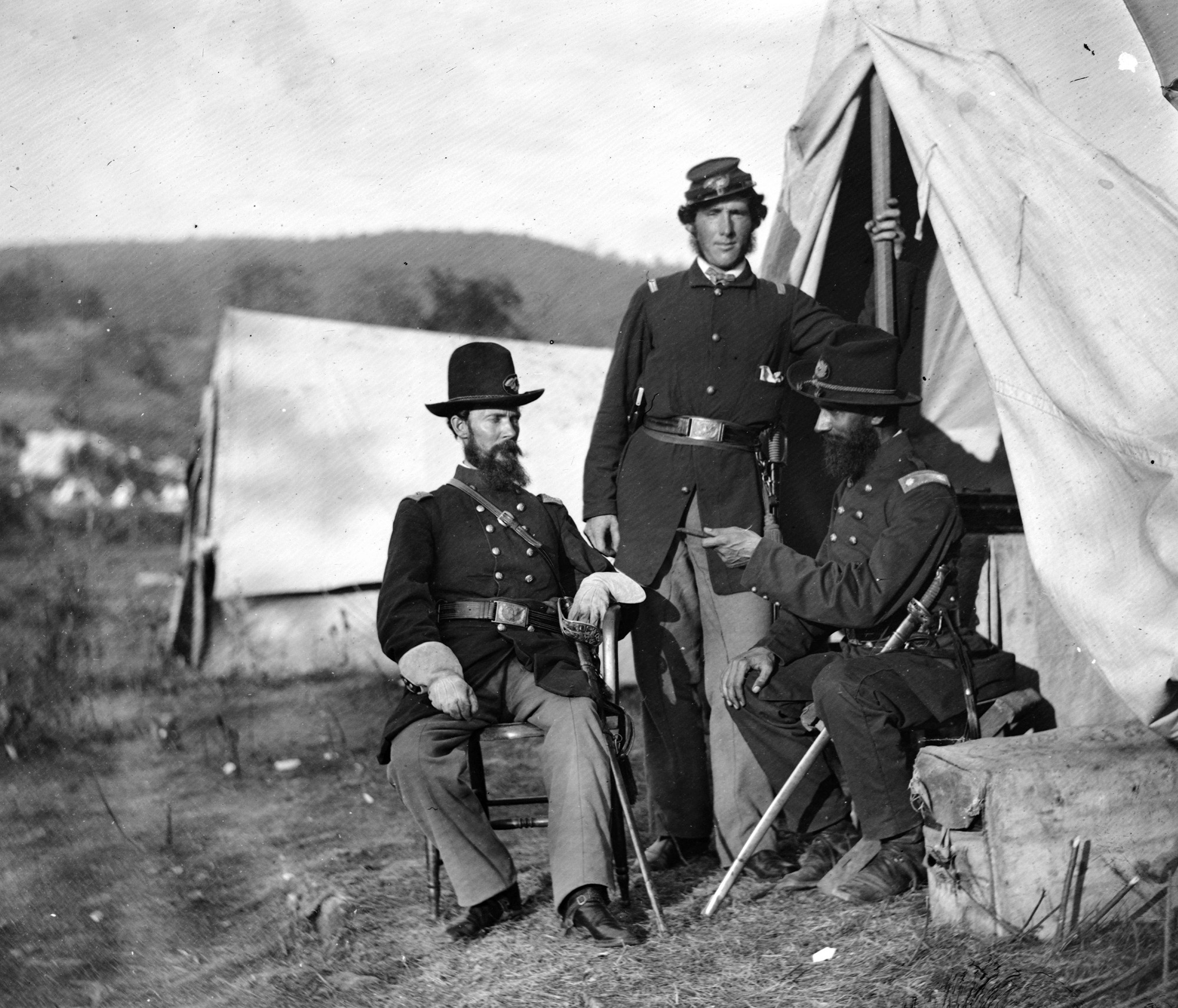
Antietam, Md. Col. John S. Crocker, Lt. Col. Benjamin C. Butler, and adjutant of 93d New York Volunteers (Waters Whipple Braman; see comment by , below) photographed by Alexander Gardner.
Library of Congress image.


